JETRAY / Battery engineering & sourcingShenzhen, Chinasale1@jetray.cn ↗
JETRAYEnergy Storage BatteriesBlog
APPLICATION PLANNING

Build around the operating conditions.

Start with the equipment, its environment and its work cycle. Use the following requirements to prepare a focused engineering discussion.

Application / 01

Stationary backup

Define critical loads, transfer behavior and the target duration for each operating scenario.

What to define

  • Separate average energy demand from peak power and include conversion losses in the system review.
  • The acceptable voltage window and behavior during start-up or a low-battery event.
  • The installation drawing, charging interface and expected environment.
  • Acceptance criteria for the complete equipment, including its battery interface.

Application / 02

Solar-linked storage

Review inverter compatibility, charging behavior and installation conditions with the system integrator.

What to define

  • Confirm inverter or charger compatibility, voltage limits, communication and protection requirements.
  • The acceptable voltage window and behavior during start-up or a low-battery event.
  • The installation drawing, charging interface and expected environment.
  • Acceptance criteria for the complete equipment, including its battery interface.
Application / 03

Communications backup

Consider DC bus limits, supervisory interfaces and the environment of the equipment location.

What to define

  • Review mounting, ventilation, isolation, cable protection and local installation requirements with qualified professionals.
  • The acceptable voltage window and behavior during start-up or a low-battery event.
  • The installation drawing, charging interface and expected environment.
  • Acceptance criteria for the complete equipment, including its battery interface.
Catalogue references support a project discussion. They do not establish approval for a medical device, vehicle, robot or complete energy installation.
APPLICATION CASE FILES / SYSTEM-LEVEL ENERGY PLANNING

See the decisions behind an application.

Explore practical planning briefs for energy storage batteries: the operating challenge, integration approach and sample-review questions.

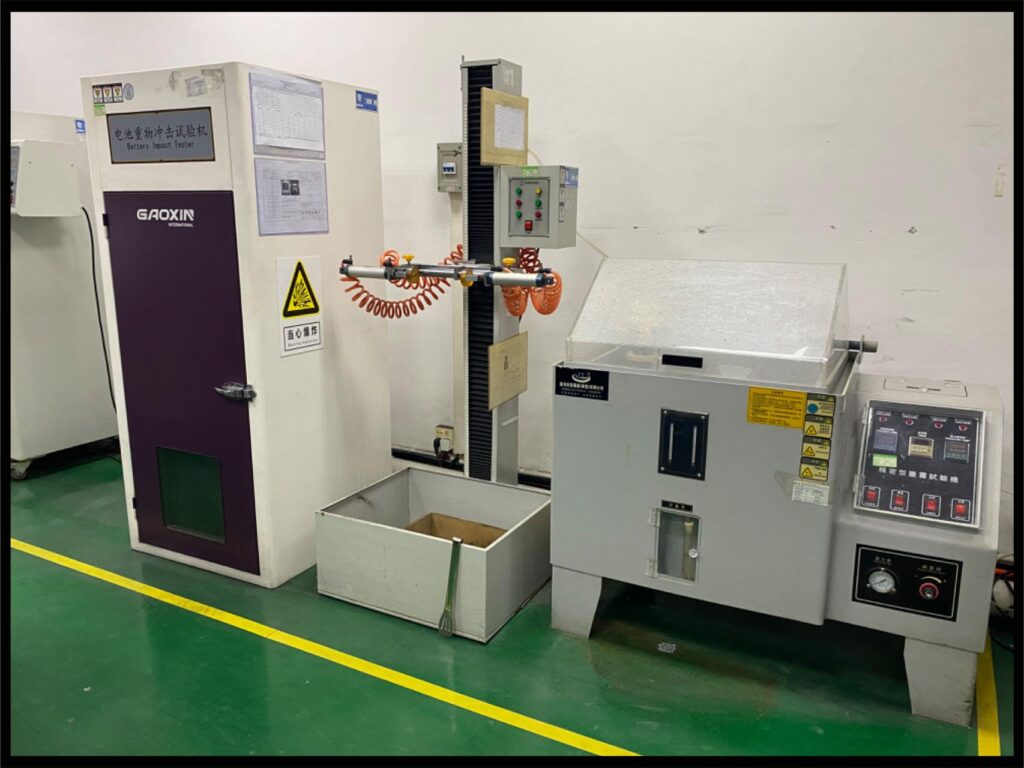
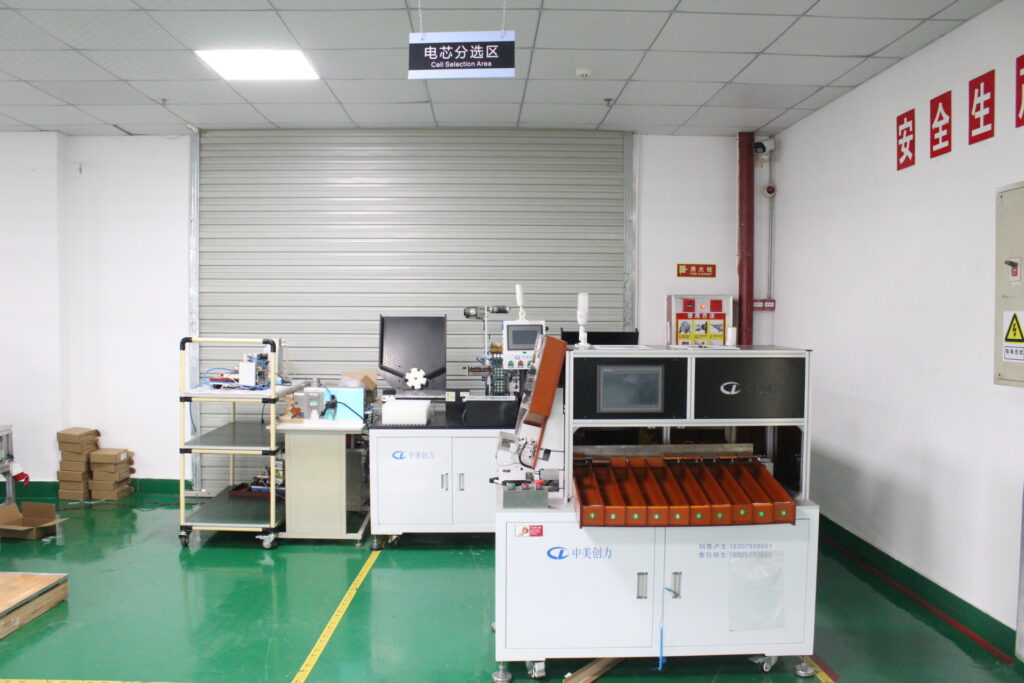
These are application planning examples, not documented customer deployments. Factory photographs are from the Jetray corporate website and do not identify a customer project.

Application decision map

Connect the use case to the battery requirements.

A useful application review starts with what the equipment does, how it is powered and how it will be evaluated.

Application focusRequirement to definePractical review step
Stationary backupDefine critical loads, transfer behavior and the target duration for each operating scenario.Separate average energy demand from peak power and include conversion losses in the system review.
Solar-linked storageReview inverter compatibility, charging behavior and installation conditions with the system integrator.Confirm inverter or charger compatibility, voltage limits, communication and protection requirements.
Communications backupConsider DC bus limits, supervisory interfaces and the environment of the equipment location.Review mounting, ventilation, isolation, cable protection and local installation requirements with qualified professionals.

Bring a representative duty cycle.

Critical-load energy, peak power and DC voltage limits. Record normal operation, idle periods and the conditions that create the highest demand.

Agree the equipment test.

Define the sample configuration, setup, pass criteria and responsible reviewers before comparing results.

A useful conversation starts with a specification

Tell us what your equipment needs.

Share the load, dimensions and intended use. Ask for a current model specification and a project review.

Discuss your project

Product comparison